“And do not be conformed to this world, but be transformed by the renewing of your minds” (Romans 12:2)
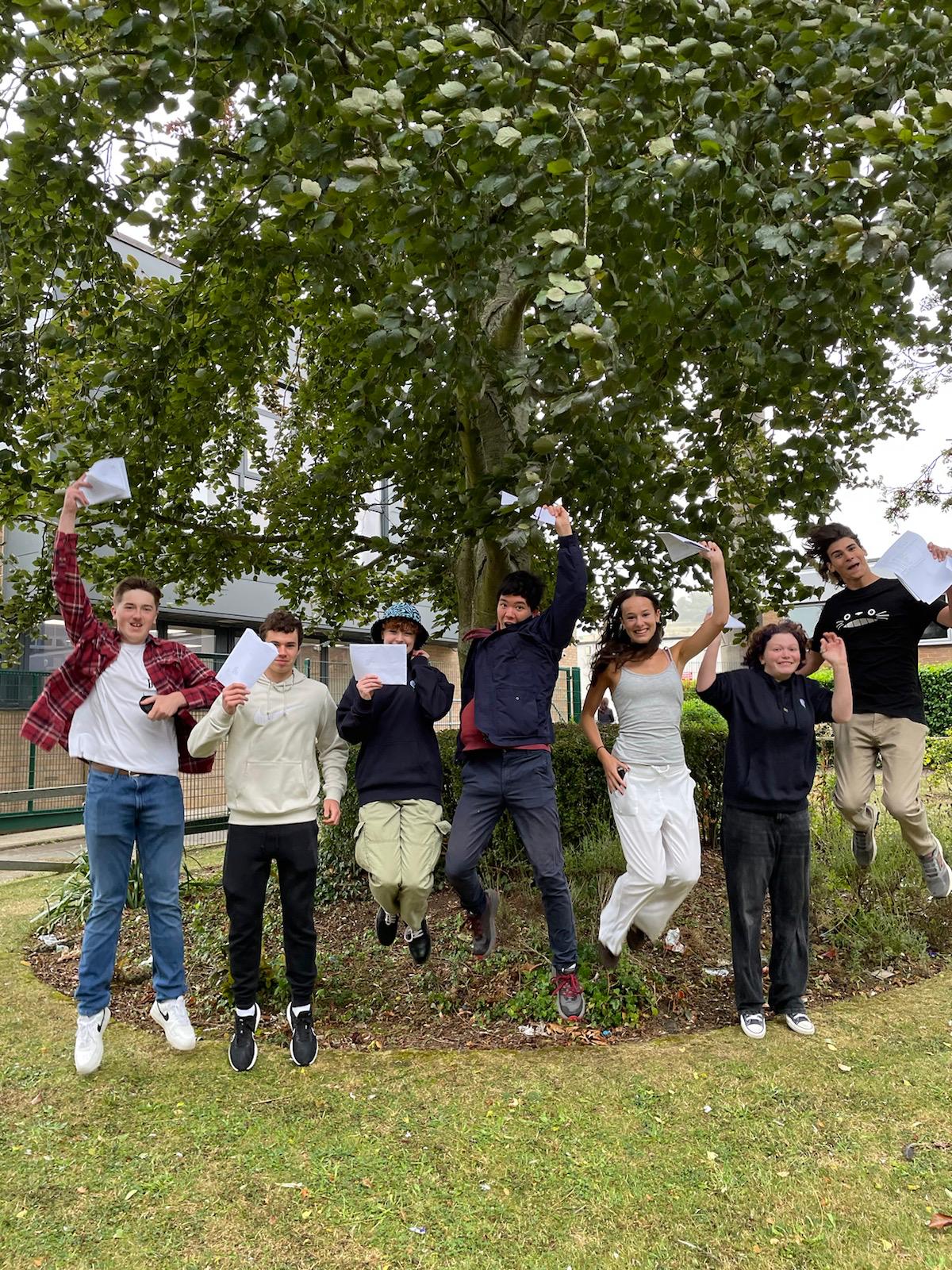
Over the past week, our Year 11 pupils have completed their GCSE Mock Examinations. I would like to commend them for the grit, determination, and resilience they have shown throughout this demanding process. These mock examinations are not simply a rehearsal for the summer; they are a vital learning experience. Detailed feedback will now be given, and pupils will be placed into WIN Sessions, allowing them to benefit from bespoke revision and targeted support. With just under four months to go, it is time for a significant collective push grounded in high expectations, support, and belief in every child’s potential.
A central focus at St Joseph’s is ensuring that those pupils who need additional support receive it at the right time and in the right way. We are strengthening our commitment to intervention during the school day, ensuring learning needs are met alongside our adaptive teaching strategies in the classroom. Over the Easter term, we will continue building additional provision, with further structures ready to be implemented in the summer term. This approach reflects our belief that no child should be left behind and that excellence is achieved through equity.
Last night, I had the privilege of learning more deeply about the teachings and values of St John Henry Newman, whose philosophy of education remains profoundly relevant today. Newman believed that education was not merely about training for a career or achieving examination results, but about the formation of the whole person—intellectually, morally, spiritually, and socially. He spoke powerfully about the development of conscience and the importance of nurturing young people to become thoughtful, virtuous, and responsible members of society. For Newman, true education enlarges the mind, deepens character, and prepares the individual not only for work, but for life.
This vision aligns closely with the very origins of education. The Greek word paideia from which much of our understanding of education originates means far more than instruction or training. It speaks of drawing out the best within a person, cultivating wisdom, virtue, and excellence. Education, in this sense, is transformational. It is about shaping hearts and minds, not simply filling them with information.
At St Joseph’s, this is exactly the role we strive to fulfil. As Catholic educators, we do not educate for results alone; we educate for human flourishing. Our mission is rooted in the Gospel and in our belief that every child is created in the image and likeness of God, endowed with gifts waiting to be nurtured.